
Real Estate
Old Florida Still Has a Table at Cortez Kitchen
By Katherine Langford
Advertisement · Why this ad?
Marcus manages the day-to-day editorial workflow across all brands, coordinating coverage assignments and ensuring editorial standards are met. He previously served as city editor at the Pioneer Press and holds a degree in Political Science from Carleton College.
More from Marcus →
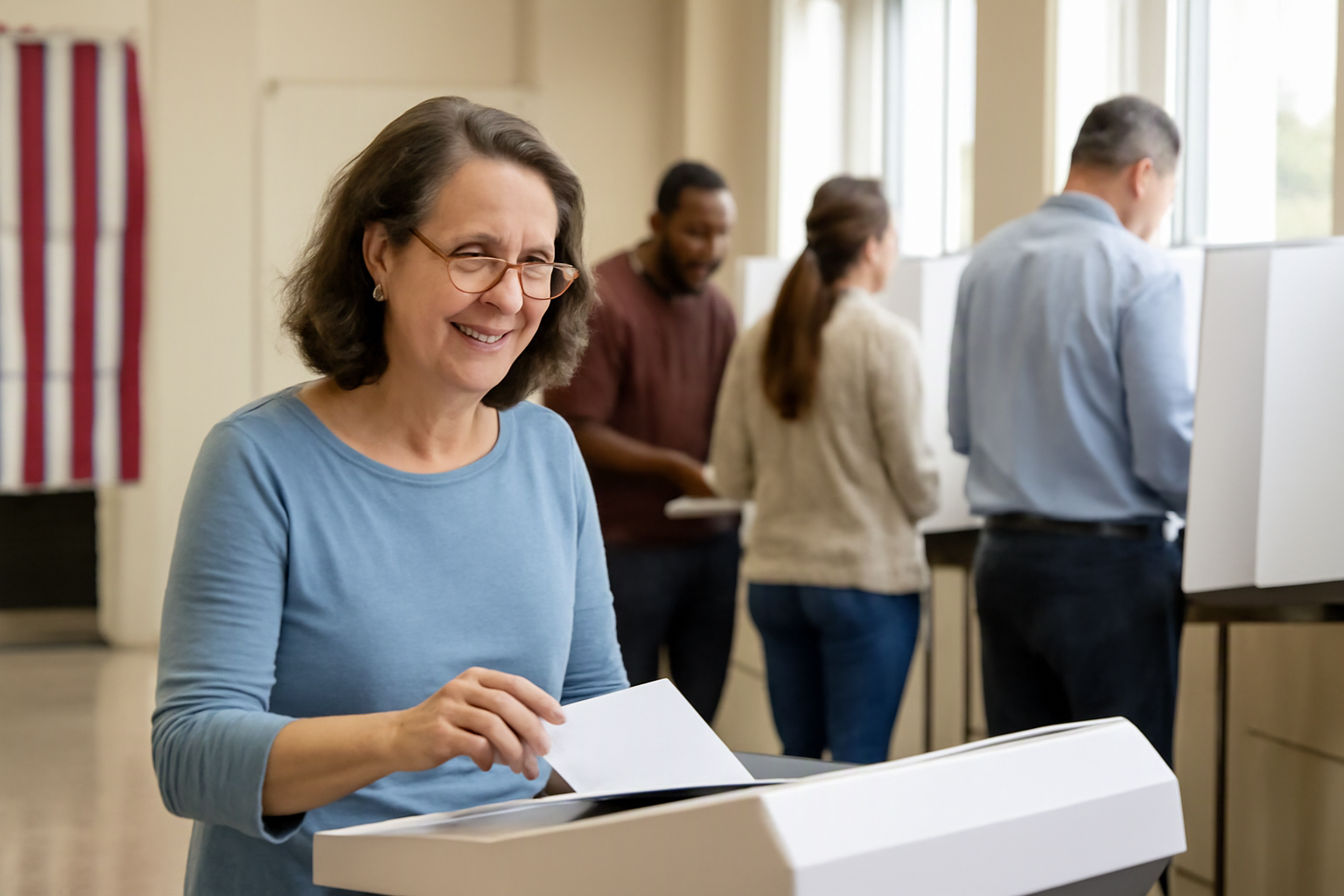
AI Slop in Photos and Graphics: What to Watch for Before You Share November 8, 2026 | Sande Caplin | Great Reading | No Comments on AI Slop in Photos and Graphics: What to Watch for Before You Share A beautiful beach scene. A dramatic storm photo. A polished graphic announcing a new business or airline route. On a small phone screen, each may look convincing. Look closer, however, and the sign might contain nonsense, the building might have impossible windows, or the location might bear little resemblance to the real place. Welcome to the conversation about “AI slop”—a term for low-quality content generated with artificial intelligence, often produced in quantity with little care or review. Merriam-Webster named “slop” its 2025 Word of the Year, reflecting how familiar this kind of digital clutter has become. For Suncoast readers, the practical concern goes beyond whether an image looks attractive. Does it accurately represent the place, product or event it appears to show? What Makes an Image AI Slop? Using AI does not automatically make a graphic poor quality. AI can help create useful illustrations, develop design ideas and produce artwork that is clearly presented as imagined. Problems arise when the finished image contains careless errors, offers little useful information or encourages viewers to mistake an invented scene for a real photograph. A glossy appearance can conceal those problems. A professionally arranged headline and a realistic background do not establish that the scene actually happened. Look Beyond the Main Subject When inspecting a suspicious image, spend a moment on the details around its edges and in the background. These are useful warning signs: Strange lettering: Business signs, aircraft markings, menus and labels may contain misspellings, inconsistent letters or words that make no sense. Objects that do not fit together: Railings may end abruptly, furniture may merge, or a vehicle’s parts may have implausible shapes. Unusual people or animals: Fingers, teeth, ears and limbs may look distorted. Faces in a background crowd may appear blurred or oddly repeated. Conflicting light and reflections: Shadows may point in incompatible directions, or a reflection may show something missing from the scene. Unconvincing local details: A supposed Sarasota waterfront, familiar bridge or neighborhood may include features that do not match the actual location. Excessive polish: Unnaturally smooth skin, repetitive textures and an overly glossy finish can justify a closer look. These clues are reasons to investigate, not proof. Real photographs can look unusual because of motion, perspective, compression or editing. AI-generated images can also appear convincing without obvious visual mistakes. A Perfect-Looking Image Can Still Be Misleading Consider an airline announcement graphic featuring a passenger jet at sunset. It may communicate the travel theme effectively. But an invented airport background should not be treated as a photograph documenting that airline’s arrival at a particular airport. The same distinction applies to restaurant promotions, real estate images and event advertising. Readers need to know whether they are seeing the actual meal, property or gathering—or an illustration of an idea. A clear label such as “AI-generated illustration” helps establish that distinction. The label should be easy to find near the image. Routine exposure and color adjustments to a real photograph are different from generating a scene or adding objects that were never there. When an edit materially changes what a photograph appears to document, that change deserves disclosure. Check the Source Before You Share The National Institute of Standards and Technology has examined approaches to identifying and labeling synthetic content, including tracking its origin and using detection tools. For everyday readers, a few practical checks can help: Find the original post. A screenshot passed between accounts may lose its caption, date and explanation. Confirm the claim separately. For an opening, flight announcement or event, check the organization’s official information. A graphic alone is not confirmation. Try a reverse image search. It may reveal earlier appearances or show that an image has been attached to a different story. Finding no match does not prove authenticity. Look for credits and disclosures. Photographer information, an illustration label or available content credentials can provide context. Missing credentials do not automatically mean an image is fake. Treat detector results cautiously. An automated verdict should be one piece of information, not the sole basis for accusing someone of fabrication. What Businesses and Publishers Should Check Before posting an AI-assisted graphic, review its wording, dates, logos and visual details. Make sure the image supports the story without inventing evidence for it. Use authentic photographs when readers need to see an actual place, product or event. When an illustration is appropriate, identify it clearly and check it with the same care given to the accompanying text. For readers, the most useful habit is simple: pause before sharing an image that makes a surprising claim. Check who supplied it, what it purports to show and whether reliable information supports it. A picture can catch your attention in a second. Establishing whether it deserves your trust takes a little longer. Related Stories When Keeping Up With Technology Becomes a Full-Time Job AI Helping Floridians Save Money and Plan for the Future Share on Facebook Leave a Reply Cancel reply Your email address will not be published. Required fields are marked * Comment Name * Email * Website Save my name, email, and website in this browser for the next time I comment. Post Comment
By Katherine Langford
By Katherine Langford
By Katherine Langford

By Katherine Langford